
Arduino
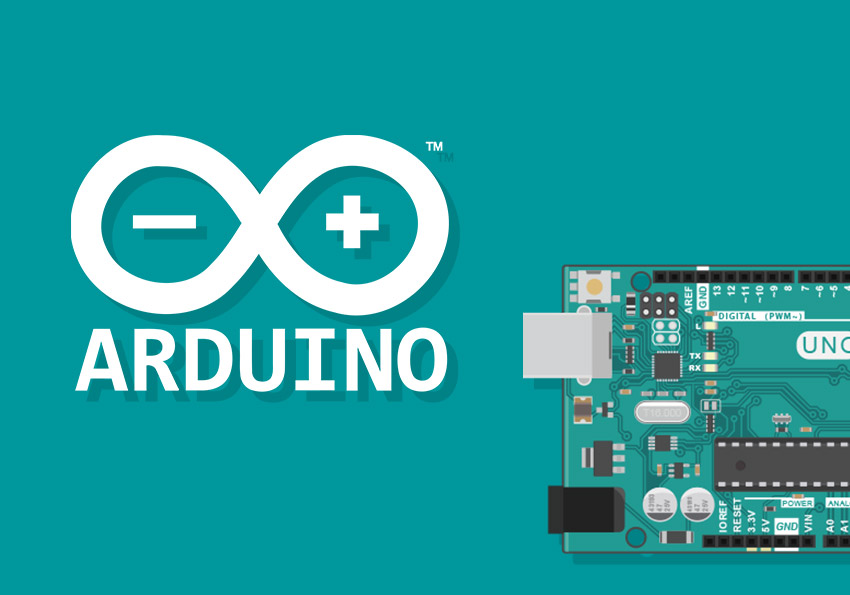
Introduction to Arduino: The Foundation of Modern Electronics and Robotics
In today's technology-driven world, electronics and automation are becoming increasingly important across industries, education, and everyday life. Whether it is smart home devices, robots, Internet of Things (IoT) applications, or automated industrial systems, microcontrollers play a critical role in controlling and managing electronic devices. Among the various microcontroller platforms available today, Arduino stands out as one of the most popular and beginner-friendly platforms for learning electronics, programming, and embedded systems development.
Arduino is an open-source electronics platform based on easy-to-use hardware and software. It was designed to make electronics accessible to students, hobbyists, educators, engineers, and innovators. With its simple programming environment and extensive community support, Arduino has become the preferred choice for millions of users worldwide who want to build interactive electronic projects and smart devices.
What is Arduino?
Arduino is a microcontroller-based development platform that allows users to create electronic systems capable of sensing, processing, and controlling various devices. It consists of programmable hardware boards and a software development environment known as the Arduino IDE (Integrated Development Environment). Users can write code, upload it to an Arduino board, and interact with sensors, motors, displays, LEDs, and numerous other electronic components.
Originally developed in 2005 at the Interaction Design Institute Ivrea in Italy, Arduino was created to provide an affordable and accessible platform for students and designers. Over the years, it has evolved into a global ecosystem used in education, research, prototyping, robotics, and commercial product development.
Why Arduino is Popular
Arduino's popularity stems from its simplicity, affordability, and versatility. Unlike traditional embedded system development platforms that often require specialized hardware and complex programming tools, Arduino offers a user-friendly environment that enables beginners to start building projects within hours.
The platform provides extensive documentation, tutorials, libraries, and community support, making it easier for users to learn electronics and programming while creating real-world projects.
Key Features of Arduino
Several features contribute to Arduino's widespread adoption across education and industry:
- Open-source hardware and software platform.
- Easy-to-learn programming environment.
- Affordable development boards.
- Cross-platform compatibility.
- Large global developer community.
- Extensive library support.
- Wide range of sensors and modules.
- Suitable for beginners and professionals.
- Rapid prototyping capabilities.
- Integration with IoT, AI, and robotics applications.
How Arduino Works
At the heart of every Arduino board is a microcontroller, which acts as a small computer capable of executing programmed instructions. The microcontroller reads input signals from sensors and devices, processes the data according to the uploaded program, and generates outputs to control motors, LEDs, displays, relays, and other components.
Users write programs, known as sketches, using the Arduino IDE. These sketches are uploaded to the microcontroller through a USB connection. Once uploaded, the Arduino board operates independently and continuously executes the programmed instructions.
Components of an Arduino System
An Arduino-based project typically consists of several essential components that work together to perform specific tasks.
1. Arduino Board
The Arduino board contains the microcontroller, input/output pins, power circuitry, and communication interfaces. Popular boards include Arduino Uno, Arduino Nano, Arduino Mega, and Arduino Due.
2. Sensors
Sensors are used to collect data from the environment. Examples include temperature sensors, humidity sensors, ultrasonic sensors, motion sensors, gas sensors, and light sensors.
3. Actuators
Actuators perform physical actions based on commands from the Arduino board. Examples include motors, servos, relays, buzzers, and LEDs.
4. Software
The Arduino IDE provides a simple environment for writing, compiling, and uploading code. It supports programming primarily in C and C++ languages.
Popular Arduino Boards
Arduino offers several development boards designed for different applications and project requirements:
- Arduino Uno – Ideal for beginners and educational projects.
- Arduino Nano – Compact board suitable for embedded applications.
- Arduino Mega – Offers more memory and input/output pins.
- Arduino Leonardo – Supports USB communication directly.
- Arduino Due – High-performance ARM-based board.
- Arduino MKR Series – Designed for IoT applications.
- Arduino Portenta – Industrial and AI-focused development platform.
Applications of Arduino
Arduino is used in a wide variety of applications ranging from educational projects to advanced industrial systems. Its flexibility and ease of use make it suitable for numerous technology domains.
- Robotics and autonomous vehicles.
- Internet of Things (IoT) devices.
- Home automation systems.
- Weather monitoring stations.
- Industrial automation projects.
- Smart agriculture solutions.
- Healthcare monitoring devices.
- Educational STEM projects.
- Security and surveillance systems.
- Interactive art and design installations.
Arduino in Robotics
Arduino has become one of the most widely used platforms in robotics education and development. It can control motors, read sensor data, process information, and execute commands required for robotic movement and decision-making. Many beginner and intermediate robotics kits use Arduino as their primary controller.
From obstacle-avoiding robots and line-following robots to robotic arms and autonomous vehicles, Arduino enables users to experiment with various robotics concepts while learning programming and electronics simultaneously.
Arduino and Internet of Things (IoT)
The rise of IoT has significantly increased Arduino's popularity. By integrating Wi-Fi, Bluetooth, GSM, and LoRa communication modules, Arduino boards can connect to the internet and exchange data with cloud platforms and mobile applications.
IoT applications built with Arduino include smart homes, smart cities, environmental monitoring systems, industrial sensors, and connected healthcare devices. These applications enable real-time monitoring and remote control of systems from anywhere in the world.
Advantages of Learning Arduino
Arduino provides an excellent foundation for learning embedded systems, electronics, robotics, and IoT technologies. Students and professionals can develop practical skills while working on hands-on projects that reinforce theoretical concepts.
- Easy entry into electronics and programming.
- Hands-on learning experience.
- Strong career opportunities in technology fields.
- Low-cost development platform.
- Large ecosystem of hardware and software resources.
- Excellent platform for innovation and prototyping.
- Supports advanced technologies such as AI and IoT.
Future of Arduino
As emerging technologies such as Artificial Intelligence, IoT, robotics, and smart devices continue to grow, Arduino remains highly relevant. New Arduino platforms are being developed with enhanced processing power, wireless connectivity, cloud integration, and machine learning capabilities.
The platform continues to play a vital role in education, research, prototyping, and product development, making it an essential tool for the next generation of innovators and engineers.
Conclusion
Arduino has revolutionized the way people learn and develop electronic systems by providing an affordable, accessible, and powerful platform for innovation. Its open-source nature, extensive community support, and versatility have made it one of the most influential technologies in modern electronics and robotics education. Whether you are a student, hobbyist, educator, or professional engineer, learning Arduino can open the door to countless opportunities in automation, robotics, IoT, and embedded systems development.